
On 13 July 2026 the government published draft legislation that would end the dry tax charge on lending crypto, borrowing against it and supplying it to a liquidity pool, and take everyday stablecoin transactions out of capital gains tax. Both changes are due to take effect from 6 April 2027.
This is the reform we asked for in our June 2023 response to HMRC's DeFi consultation and pressed for again in the industry letter to the Chancellor in February 2025. We spent the summer testing the drafting against real transaction histories, and on 7 September we sent HMRC a 22-page response on where it needs to change before it becomes law.
This post covers what the draft does and the fixes we asked for. The same day produced a third clause, on HMRC's information powers, which we oppose as drafted. That gets its own post.
What L-Day is, and why this stage matters
Legislation Day, or L-Day, is the day each summer when the government publishes draft clauses for the next Finance Bill and invites technical comment. It fell on 29 July in 2024, 21 July in 2025 and 13 July this year, with comments due in early September.
Nothing published on L-Day is law. In the government's own words, the consultation "is designed to make sure that the legislation works as intended", and the final contents of the Bill are "subject to decision by the Chancellor of the Exchequer". The Chancellor confirms the Bill at the Autumn Budget and it usually becomes law the following spring. This is the one point where drafting problems can still be fixed cheaply, so we answered clause by clause rather than in principle.
What the two tax clauses do
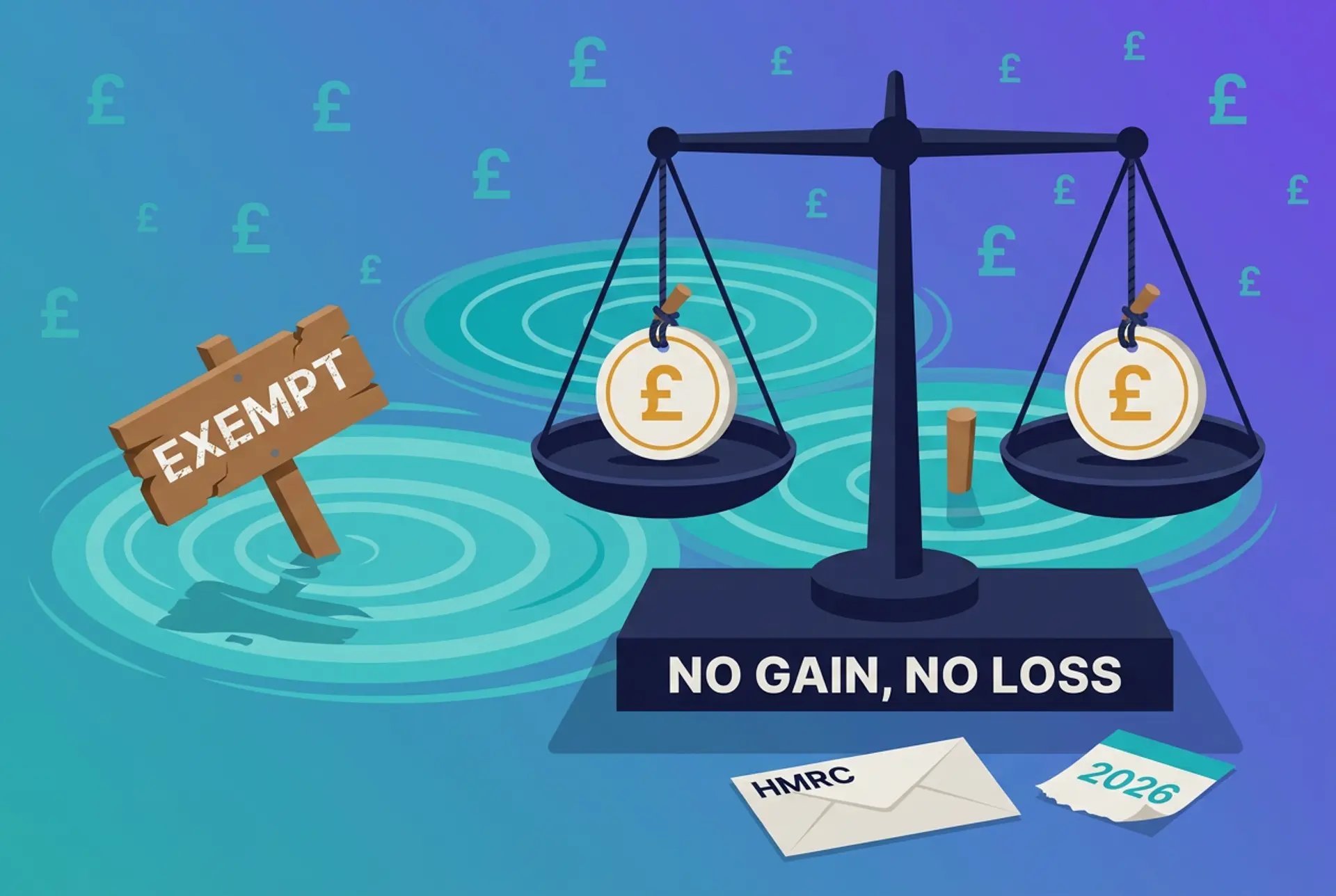
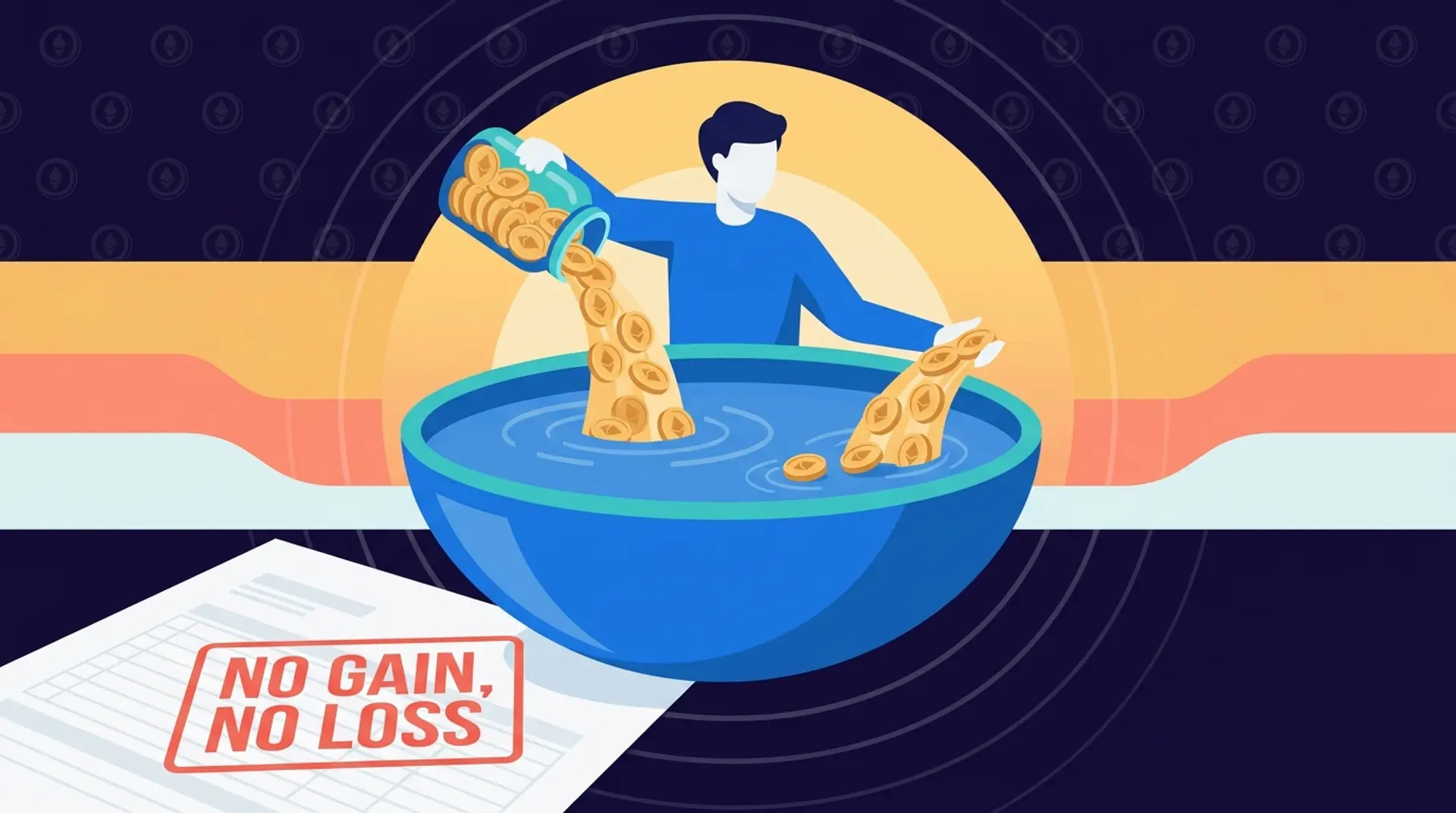
Loans and liquidity pools. On HMRC's current guidance, depositing ETH into a lending protocol or a liquidity pool is usually a disposal: you are taxed as if you had sold, with the same exposure and no cash to pay the bill. The draft inserts a new Part 4A into the Taxation of Chargeable Gains Act 1992 so that lending, borrowing and pool contributions by individuals and trustees are "no gain, no loss": no tax going in, your original cost carried across, and tax only on a real economic exit. HMRC's policy paper says the aim is to align "the tax treatment more closely with the economics of these arrangements". We agree with every word.
Stablecoins. From 6 April 2027, disposals of eligible stablecoins by individuals and trustees are exempt from capital gains tax under a new section 269A. Interest-like returns from lending them are taxed as interest, like bank interest. Holdings that will become exempt are treated as disposed of and reacquired at market value immediately before 6 April 2027, with the gain or loss to that point falling into 2027/28. This follows the call for evidence that ran from March to May 2026, to which we responded with a six-firm coalition.
Loans and liquidity pools: six fixes
Credit where it is due. HMRC was among the first major tax authorities to publish guidance on cryptoassets, and this clause contains the first attempt by any legislature we are aware of to define when two cryptoassets are "the same type". What it does not do is say what that means for wrapping, bridging, liquid staking or token migrations. As far as we know no jurisdiction has, and the Bill is the chance to be first. These are the six points we pressed hardest.
Tax rewards when you receive them, not while they accrue. Protocols pay returns in different ways, and the draft is silent on when they are taxed. We proposed one statutory rule: a return is taxed when you claim it, withdraw it, transfer it or sell the position that produced it, at its sterling value that day, and not before. One date and one value to record, whichever protocol you use. That is how interest has long been taxed in UK law.
Say what "unconditionally entitled" means. The regime only applies if you have a right to become "unconditionally entitled" to your tokens back. On the largest lending protocols, Aave and Compound among them, you can only withdraw when the pool has spare liquidity, and other products have notice periods or lock-ups. If those conditions count, all of them fall outside the regime, which cannot be the intention. We asked for the clause to say that conditions about timing and availability do not count.
Treat a change of ledger or contract as the same asset. Move ETH to a layer two through the network's own bridge and you have the same ETH on a different ledger. Deposit ETH into a Uniswap pool and the protocol wraps it to WETH on the way in, without you ever holding WETH. In 2024 MATIC became POL, a change no holder initiated. In each case your economic claim is unchanged, yet on a literal reading each could be a taxable disposal with no cash to pay it. We set out a test for when a wrapped, bridged or migrated token counts as the same asset, with cost and dates carried across.
Keep borrowed coins out of your own pool. Borrowed tokens are acquired at market value and handed back at that value, but the draft lets them merge into your existing holding, where UK rules average your cost across everything you own. Borrow one coin worth £100,000 while holding one that cost £50,000, hand it back, and the averaging manufactures a £25,000 gain with no change in your position. We asked for borrowed tokens to sit in their own class, matched only against the loan they came from. We should be candid: our own April and May 2026 submissions proposed the pooled design. Working it through against real portfolios changed our view, and we said so.
Do not tax value a borrower never receives. When a loan is liquidated, the draft treats all the collateral as sold at market value. If collateral worth £140,000 settles a £135,000 debt, the £5,000 that went to the liquidator is taxed as if the borrower had received it. We asked for the consideration to be the debt discharged plus anything actually returned. We also asked for a clear route to a loss when a platform fails, since a Celsius or FTX Earn balance that stops being withdrawable produces no disposal under the draft, and for the collateral rule to cover sterling loans against crypto, the standard centralised-lender product, which as drafted falls outside the clause.
Do not strand the past. Many people treated staking and lending as a transfer rather than a sale, following one reading of HMRC's own manual. From 6 April 2027 the draft says they no longer hold those tokens, but says nothing about their cost. We asked for the cost to carry into the new position, and, as we did in 2023, for an election to apply the new treatment to positions still open on 6 April 2027. The government has said retrospection "remains under consideration". The people who would use it are multi-year filers bringing their affairs up to date as CARF data reaches HMRC in 2027. For them the election is the difference between a return they can file and one they cannot.
Stablecoins: exemption is the fallback, so make it workable
In May our coalition argued for no gain, no loss rather than exemption. The government chose exemption. We are working with that, and our comments are about making it predictable.
Publish the list of eligible stablecoins as a dated safe harbour. Eligibility is a fact test: is it reasonable to assume the coin is backed, is it designed as a means of payment, is it widely available. Nothing ties that to FCA authorisation or any published list, so every software provider and adviser will keep their own list and they will disagree. We asked HMRC to publish a list with effective dates, well before 6 April 2027, that taxpayers can rely on. CryptoUK asked for the same in its own response.
Allow a loss when a coin's backing collapses. Eligibility is fixed on the day you buy, so a holding stays exempt even if the coin later depegs, and there is no allowable loss. A holding that cost £100 and is worth £20 after a collapse gets no relief at all. Routine dollar movements can stay exempt in both directions. A failure of backing is a different event, and it hits the people who need loss relief most.
Do not hand people a tax bill on 6 April 2027 for a change they did not make. The deemed disposal crystallises the whole sterling movement since purchase on one day, with no sale, and for many holders the gain alone will exceed the annual exempt amount. We asked for an election to defer it until an actual disposal, or a de minimis.
Treat the same coin the same way wherever it sits. USDC lent on Aave is exempt. The same USDC supplied to a Curve pool is taxed on the dollar's movement against the pound. Same coin, same exposure, different tax. We asked for the stablecoin share of a pool position to get the same exemption.
What happens next
The consultation closed on 7 September. If the Bill passes, the tax clauses apply from 6 April 2027. We will implement Part 4A and the stablecoin rules in Recap for the 2027/28 tax year and publish guidance as the clauses settle. We have offered to test HMRC's guidance against real transaction histories as it is drafted, and we would like to hear from accountants and investors with lending, borrowing or pool positions these rules will touch.
We asked for this reform in 2023. We would like it to work in 2027.
The full response
The full response is available here:
The same L-Day produced a third clause, on HMRC's information powers, which we oppose as drafted. We explain why in our response to the information powers clause.