
As we move into the peak of tax season, many accountants are juggling a hefty workload, leaving limited room for new clients. If you’ve missed the Self Assessment tax return deadline or are preparing to file late, don’t worry. You can still set yourself up for success by organising your crypto data and providing your accountant with everything they need to file your return as smoothly as possible.
No matter the time of year, getting your crypto data in order is essential. Whether you're filing now or planning ahead for the next tax season, this guide will help you prepare your information, simplify the process, and ensure your accountant has everything they need to handle your tax return.
Why organising your crypto data is crucial
Cryptocurrency can complicate tax reporting due to its unique features: fluctuating market prices, multiple accounts, and various taxable activities. By preparing accurate and complete records, you’ll:
- Reduce the risk of errors or missed tax obligations.
- Help your accountant file your tax return accurately.
- Save time and avoid delays, reducing your accountant's billable hours and potential penalties.
What does your accountant need to file your tax return?
The extent of the information your accountant will need depends on the level of service you require (e.g., are they assisting you to file or handling everything on your behalf). You should consider preparing the following to help them work efficiently:
Personal information
To complete your Self Assessment, you’ll need to gather all personal details, including:
- National Insurance number
- P60 and P11D forms
- Income from other sources (e.g., salary, rental income, self-employment, dividends or overseas property or investment etc.)
- Pension contributions
- Capital transactions for any assets like shares, property, or antiques sold or purchased within the tax year.
Crypto transaction history
To ensure your accountant can calculate your crypto gains and income accurately, provide a detailed history of every transaction, including:
- Buy and sell transactions: Include dates, amounts, and prices.
- Crypto-to-crypto trades: Provide records of trades like Bitcoin to Ethereum, ensuring your accountant has the market value at the time of each trade.
- Gifts or purchases made with crypto: Include any context, such as who the gift was to or from, as this could affect the tax position.
- Rewards: If you've earned rewards (e.g., from mining or staking), list the activity and the value of the rewards at the time they were received.
- Transfers: Dates and details of transfers between wallets or exchanges. Although these are generally not taxable, ensure they are documented correctly to avoid confusion.
- Airdrops and forks: Note any tokens received through airdrops or forks, along with their value when received. These might not always be taxable, but it's important to clarify.
Consolidating transactions
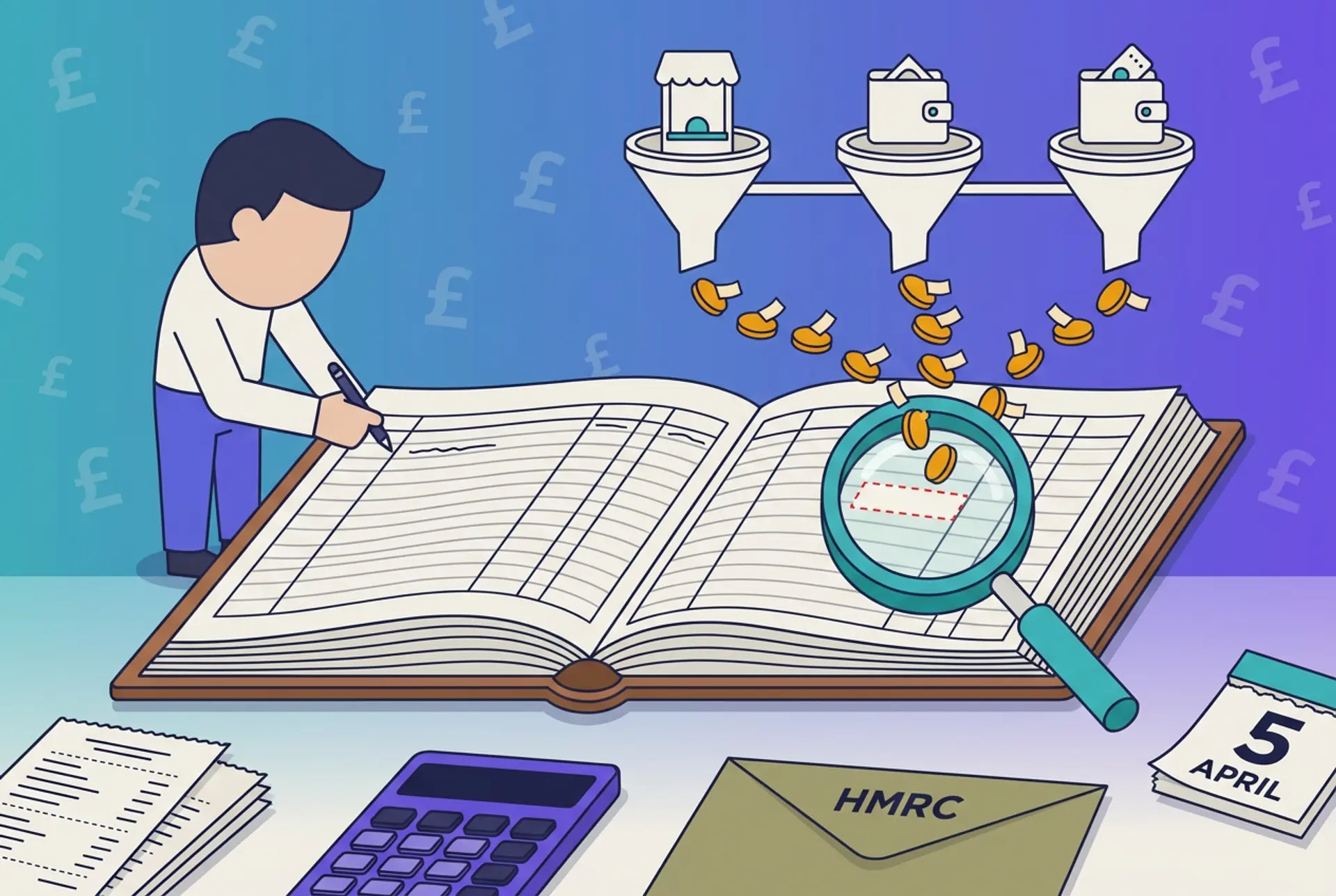
If your transactions span multiple exchanges or wallets, ensure all records are included and ideally consolidated in one place. A tool like Recap can simplify this. You can also invite your accountant into the app, making sharing data easy and secure.
Depending on the level of service provided, some accountants may review all transactions, while others may be satisfied with reports from your tax software.
Details of wallets and exchanges
An accountant should never ask you for login details or private keys, but may ask for some details about your wallets and exchanges to help them understand the scope of your activity. Consider compiling a list of:
- All wallets (hot and cold) you’ve used, with wallet addresses if possible.
- All exchanges and platforms where you’ve traded or held crypto.
Why getting organised now can save you stress later
Even if you’re filing late, gathering and organising your crypto data now will help your accountant process your tax return as quickly and efficiently as possible. If you wait until the last minute, scrambling for missing information could delay your filing and add extra stress and cost.
By preparing all the necessary documents and organising your crypto activity, you'll be giving your accountant the best chance to help you file correctly and on time or as soon as possible.
Need help preparing your crypto data? Recap can help
Preparing your crypto tax data doesn’t have to be overwhelming. Recap makes it simple to:
- Consolidate transactions from multiple exchanges and wallets.
- Automatically calculate capital gains and losses.
- Generate clear reports that you can share with accountants.
With everything neatly organised, your accountant can focus on filing your taxes quickly and accurately - without manually wading through mountains of data.
Final thoughts
Getting your crypto data ready for your accountant is one of the best ways to ensure a smooth tax filing process. By providing clear, accurate, and complete information, you’ll save time, reduce stress, and make your accountant’s job much easier.
Ready to get started? Our crypto tax calculator is here to help you prepare your data and stay ahead of your crypto tax obligations. Hit the sign up button or drop our team a message for support.